


Jay Nachlis: How Podcasts Create Connection and Combat Listener Loneliness

A familiar voice can become part of your day. You listen on the drive to work, during a walk, or while making dinner. Over time, you get to know the host’s habits, opinions, and sense of humour. You might never meet them, but spending time with them feels like spending time with a friend.
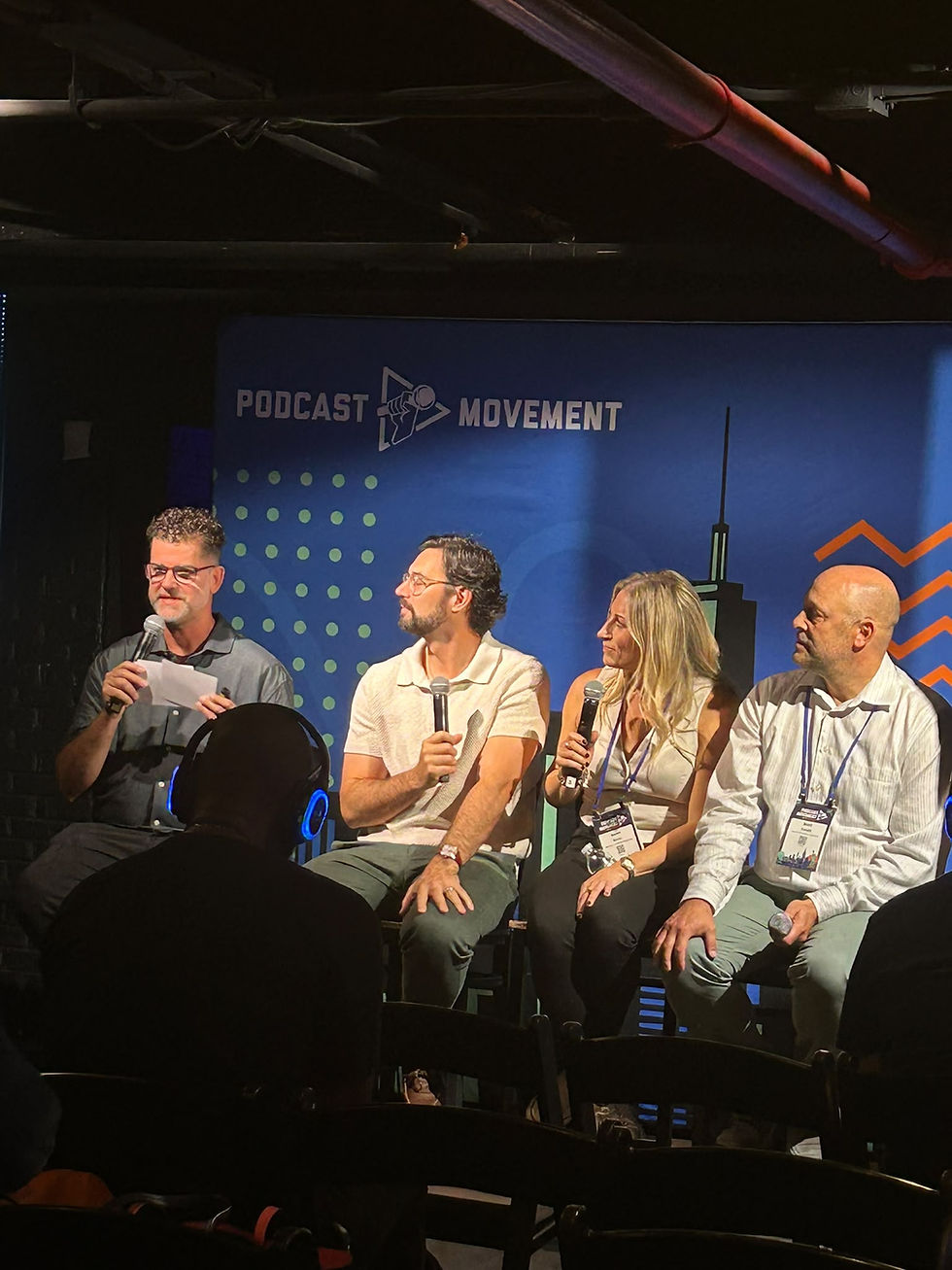
That relationship was at the heart of my conversation with Jay Nachlis from Coleman Insights. Following our appearance at Podcast Movement in New York, I wanted to explore what research tells us about podcasting, community, and connection. We also got into what radio still does well, where video fits, and why finding something to watch has become such a chore.
Why Podcast Hosts Feel Like Friends
Coleman Insights partnered with the Locked On Podcast Network, Sarah Burke's Women In Media Network, and the Sound Off Podcast Network to investigate the relationship between podcast listening and feelings of connection.
The findings gave us plenty to discuss. More frequent podcast listeners were more likely to agree that podcasts provide connection, that hosts feel like friends, and that listening keeps them company when they are alone.
That doesn’t establish that podcasts cure loneliness. It does give us a better understanding of the relationship listeners build with the voices they choose to spend time with.
One story from our Podcast Movement discussion belonged to Peter Bukowski who is the host of Locked On Packers: Two brothers who had drifted apart discovered they both listened to Locked On Packers. The show gave them something to talk about, and they began reconnecting.
For creators, that’s a reminder that the value of a show can extend well beyond the listening session. A shared interest can become the start of a conversation, a friendship, or a renewed relationship.
WATCH our panel session about Podcasting and Loneliness from Podcast Movement earlier this year.
Radio Listeners Still Want to Have Fun
Jay and I both have roots in radio, so I was interested in what his research says listeners want from FM music stations: An escape.
The news cycle is constant, and everyday life can be overwhelming. Sometimes people turn on the radio because they want music, a laugh, a silly game, or a conversation about something familiar. Even an argument about which way the toilet paper should hang can give someone a welcome break.
Morning shows have done this for decades. It’s easy for those of us inside the industry to wonder whether listeners have grown tired of it. Jay’s answer was that they still want it.
There’s a lesson here for podcasters, too. Knowing what your audience needs from you matters. That might be information or analysis. It might also be company and a little fun.
Audio Still Powers Podcasting
The headlines about video podcasting can make audio creators feel like they’re falling behind. Jay encouraged them to look more closely at the research.
He explained that the State of Video Podcasting study showed audio growing in the situations where you would expect people to listen. He also pointed to smart TVs and YouTube on those TVs as a major factor in video’s growth.
That distinction matters. Watching a podcast on the living room television serves a different part of someone’s day from listening during a commute or workout.
Some shows make sense with video as their primary format. Others build their strongest relationships through audio. Creators need to understand how their audience uses the show before deciding where to put their time and money.
Podcasters NEED to keep paying attention to audio. The ability to accompany someone through their day is a powerful part of this medium. As we explore more ways to reach people, that experience deserves care and investment.
How Much Work Should Discovery Take?
Our conversation about smart TVs led us into the frustrations of streaming.
You know the show you want to watch, but you can’t remember which service carries it. You find the service, then discover you need another subscription or a different package. Following a sports team can mean navigating several platforms just to watch the season.
Jay described the difference between thinking from inside a company and thinking from the consumer’s perspective. Inside the company, the new offering makes sense. Everyone knows where it lives and how to access it. Outside the company, people have busy lives and limited patience.
Publishing something doesn’t mean people know how to find it.
That applies to podcasts as much as television. We can become so familiar with our own distribution that we forget what a new listener needs. Clear directions, a recognizable identity, and a compelling reason to press play all help.
Give Your Podcast a Clearer Start
I’ve worked with Jay and Coleman Insights and used their Pod Predictor, so I wanted to discuss how it helps creators make decisions before launching a show.
The Sound Off Media Company launched The Declutter Queen after testing
different titles, cover art, and descriptions with real podcast consumers. It follows the choices someone might make while browsing: does the title and artwork catch their attention, and does the description make them want to listen?
Those elements can perform very differently. A strong description might be hidden behind artwork that fails to attract interest. Testing helps identify where the problem is and gives creators a clearer direction.
We also talked about trailers, which I think deserve more attention.
Writing a trailer forces you to explain what your show offers. If you’re struggling to put that into words, you may need to sharpen the idea before launching.
Jay also made a useful point about measuring a trailer’s value. Someone can hear it, remember the show, and come back much later. An immediate play isn’t the only worthwhile outcome. You’re building familiarity every time someone encounters it.
I still hear trailers for older podcasts and think, “I need to listen to that.” A good trailer—and a good back catalogue—can keep introducing people to your work for years.
Anyhow - here is the trailer we landed on for the Declutter Queen AFTER the Pod Predictor Research.


Comments